Key Takeaways
- Ergonomics First: Prioritize adjustable lumbar support, seat depth, and breathable fabric—especially in warm Indian climates.
- Match the Purpose: Living room chairs focus on aesthetics and comfort, whereas work chairs require structural alignment to prevent strain.
- Material Selection: Solid wood offers longevity for dining/living areas, while high-density foam and mesh suit long working hours.
- Measure Twice: Ensure your chair fits both room dimensions and desk heights before buying.
The Ultimate Guide to Choosing the Perfect Chair
Spending long hours seated—whether working from home, hosting guests, or reading a book—makes your chair one of the most critical furniture investments in your home. Sitting in a poorly designed chair leads to bad posture, back pain, and reduced productivity.
Finding the perfect chair requires balancing comfort, ergonomics, durability, and aesthetics. Whether you need a modern accent chair or an ergonomic office seat, this guide walks you through every essential factor to help you choose wisely.
Why Choosing the Right Chair Matters
According to a study published by the National Institutes of Health (NIH), sitting improperly for over 6 hours daily increases the risk of musculoskeletal disorders by up to 40%. The right seating solution does more than complete your decor—it directly affects your spinal health and day-to-day energy levels.
At Livoraa Furnishing, we combine ergonomic engineering with timeless design, ensuring your furniture supports your body while elevating your interior style.
1. Identify Your Primary Use Case
Before evaluating materials or colors, define where and how you will use the chair. Seating generally falls into three main categories:
Ergonomic Office Chairs
If you work 7 to 9 hours a day, an ergonomic office chair is non-negotiable. Look for adjustable lumbar support, 3D armrests, and dynamic tilt functionality.
Living Room & Accent Chairs
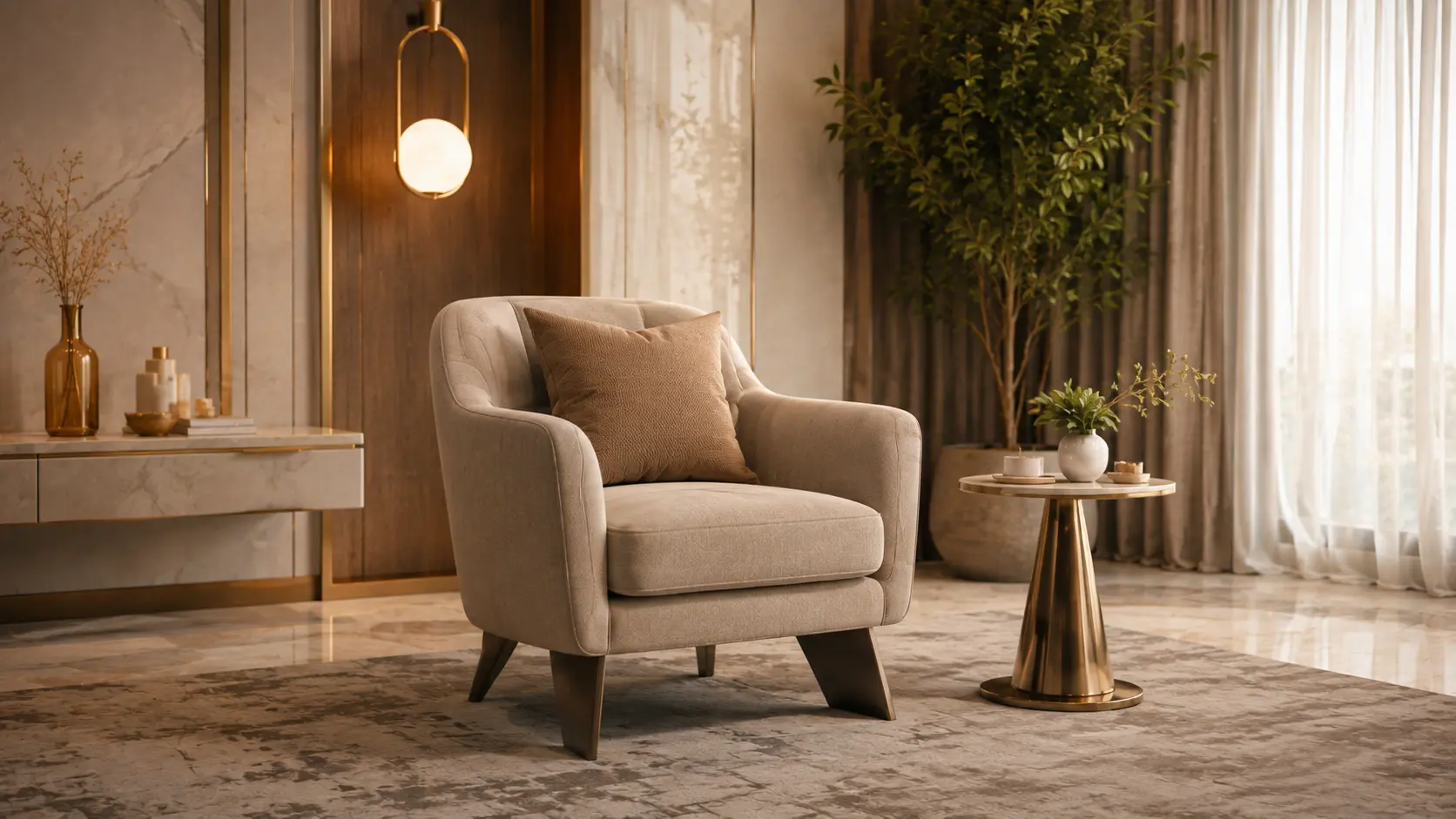
Accent chairs serve as dynamic focal points in your living space. Popular choices include wingback chairs, barrel chairs, and plush recliners that deliver both visual warmth and relaxed comfort.
Dining & Multipurpose Chairs
Dining seating should encourage upright, comfortable posture during meals while remaining easy to clean and light enough to move around.
Comparison Table: Types of Chairs at a Glance
| Chair Type | Best For | Key Feature to Look For | Ideal Material |
| Ergonomic Office Chair | WFH, Study, Desk Work | Adjustable Lumbar & Seat Height | Breathable Mesh / High-Density Foam |
| Accent / Lounge Chair | Living Room, Reading Nooks | Cushioning & Frame Support | Velvet / Leatherette / Premium Fabric |
| Dining Chair | Meal Times, Family Gatherings | Easy Maintenance & Firm Back | Solid Teak Wood / Sheesham Wood |
| Recliner | Relaxation, Home Theater | Smooth Recline & Leg Rest | Upholstered Fabric / Leather |
2. Essential Ergonomic Features to Inspect
When creating an office chair buying guide, ergonomics take top priority. Look for these crucial elements:
- Lumbar Support: The backrest should follow the natural ‘S’ curve of your spine. Adjustable lumbar pads let you target your exact lower back curve.
- Seat Depth & Width: Your feet should sit flat on the floor with 2 to 4 inches of clearance between the back of your knees and the seat edge.
- Breathable Materials: In warm Indian weather, breathable mesh backs prevent heat buildup and maintain airflow during long work hours.
- Armrest Adjustability: 3D or 4D armrests reduce shoulder tension by supporting your elbows at a 90-degree angle.
3. Selecting the Right Materials & Fabric
Your choice of material impacts longevity, maintenance, and comfort:
- Solid Wood Frames: Teak and Sheesham wood offer exceptional durability and natural grain beauty, ideal for traditional and contemporary Indian homes.
- Mesh Upholstery: Excellent for home offices due to superior ventilation and flexible posture support.
- Velvet & Premium Fabrics: Perfect for living room chairs, adding texture, vibrancy, and luxury to your seating areas.
4. Measuring Your Space and Desk Clearance
A common mistake is buying a chair without double-checking room dimensions.
- Desk Clearance: Ensure at least 8 to 10 inches between the chair seat and the underside of your desk or table.
- Traffic Flow: Leave 30 to 36 inches of walking clearance around lounge and dining chairs.
5. Frequently Asked Questions (FAQs)
What is the most important feature of an ergonomic chair?
Adjustable lumbar support is the most critical feature. It supports the natural curvature of your lower back, preventing slumping and reducing spine strain.
How do I know if a chair fits my desk height?
Measure from the floor to the top of your seat cushion. Standard desk heights range from 28 to 30 inches, requiring a seat height of 16 to 21 inches for comfortable typing angles.
What chair material is best for Indian weather?
Breathable mesh for office chairs and high-grade cotton/linen blends or solid wood for living spaces work best in hot and humid conditions.
How often should I replace an office or desk chair?
Quality ergonomic chairs typically last between 5 and 8 years. Replace your chair if the foam loses elasticity, the hydraulic lift slips, or back support weakens.
Why does my lower back hurt when sitting for short periods?
Back pain often stems from insufficient lumbar support, improper seat height, or poor foam density. Switching to an adjustable, ergonomically engineered chair helps distribute weight evenly.
Final Thoughts: Upgrade Your Seating Comfort Today
Choosing the perfect chair comes down to understanding your daily habits, measuring your space accurately, and prioritizing proper structural support. Investing in quality furniture protects your health and enhances your daily living environment.
Ready to transform your home or office space? Explore the handcrafted, ergonomic, and stylish range at Livoraa Furnishing to find your ideal match today!