Key Takeaways
- Factor in the Climate First: Ahmedabad’s dry, dusty summers and monsoon humidity demand breathable, high-GSM woven fabrics or treated solid woods over non-breathable synthetic leather.
- Match Your Layout: Measure traffic pathways before picking between L-shaped loungers for open 3BHK flats (e.g., along SG Highway or Science City) and compact 3+1+1 setups for standard apartments.
- Inspect the Frame Engineering: Prioritize kiln-dried solid hardwood (like Sheesham or Teak) with 32+ density HR (High-Resilience) foam cushions to prevent sagging under daily family use.
- Customize for Longevity: Custom manufacturing lets you tailor upholstery, arm profiles, and leg clearances for easy robot-vacuum cleaning.
Designing a living room in Ahmedabad comes with a unique set of demands. Having guided interior transformations across the city for over 12 years—from spacious bungalows in Bodakdev to modern 2BHK and 3BHK apartments in Nikol, Bopal, and Gota—I have seen firsthand how local conditions impact furniture. The hot, dusty summers, intense heat touching 42°C+, and sudden monsoon humidity can ruin a poorly selected couch within two seasons.
Finding the ideal sofa set for an Ahmedabad home requires balancing aesthetic appeal with practical climate resilience, ergonomic support, and long-term durability. This sofa set buying guide walks you through every crucial decision—from picking frame timbers and cushion density to choosing the best sofa fabric for Ahmedabad climate conditions.
1. Navigating Ahmedabad’s Climate & Dust: Fabric vs. Leather vs. Wood
When evaluating wooden vs fabric sofa set options, climate is your primary filter. Ahmedabad experiences intense dry heat for nearly eight months of the year, alongside airborne particulate dust from rapid urban development.
[IMAGE RECOMMENDATION]
Visual: Side-by-side micro-texture shots showing breathable woven linen/chenille fabric vs. solid Sheesham wood frame vs. synthetic leatherette.
Alt-Text: Comparison of sofa fabrics and wooden frames suitable for dusty and hot Ahmedabad weather.
High-GSM Woven Fabrics & Velvet
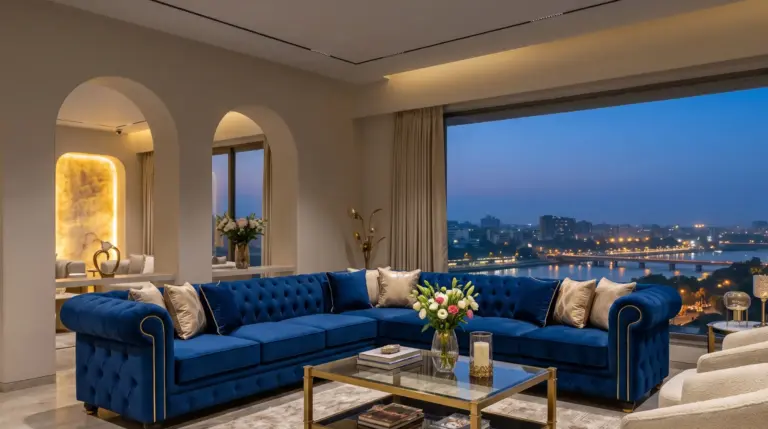
Breathable fabrics like high-GSM linen-cotton blends, heavy chenille, and performance velvet keep seating cool during scorching Gujarati summers. Look for stain-repellent coatings or removable, washable cushion covers to manage everyday dust accumulation.
Solid Wood (Sheesham & Teak)
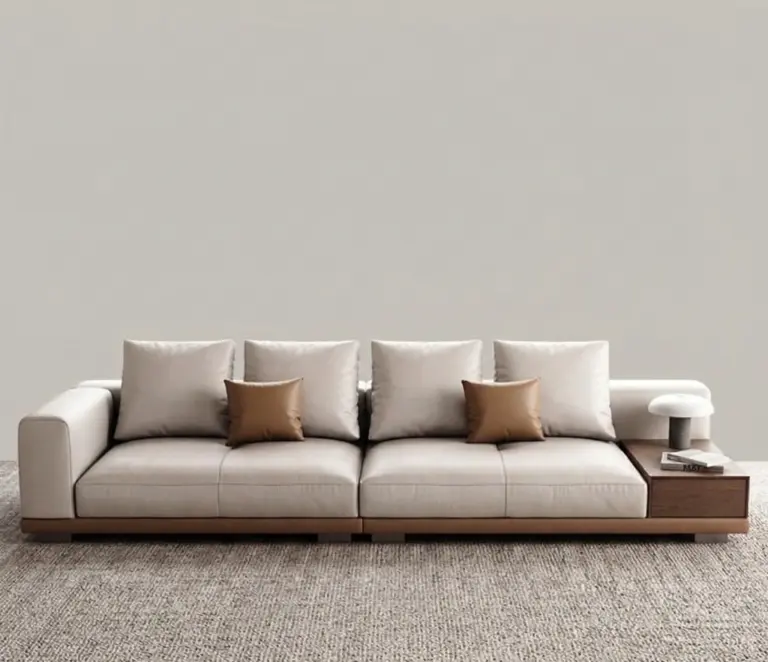
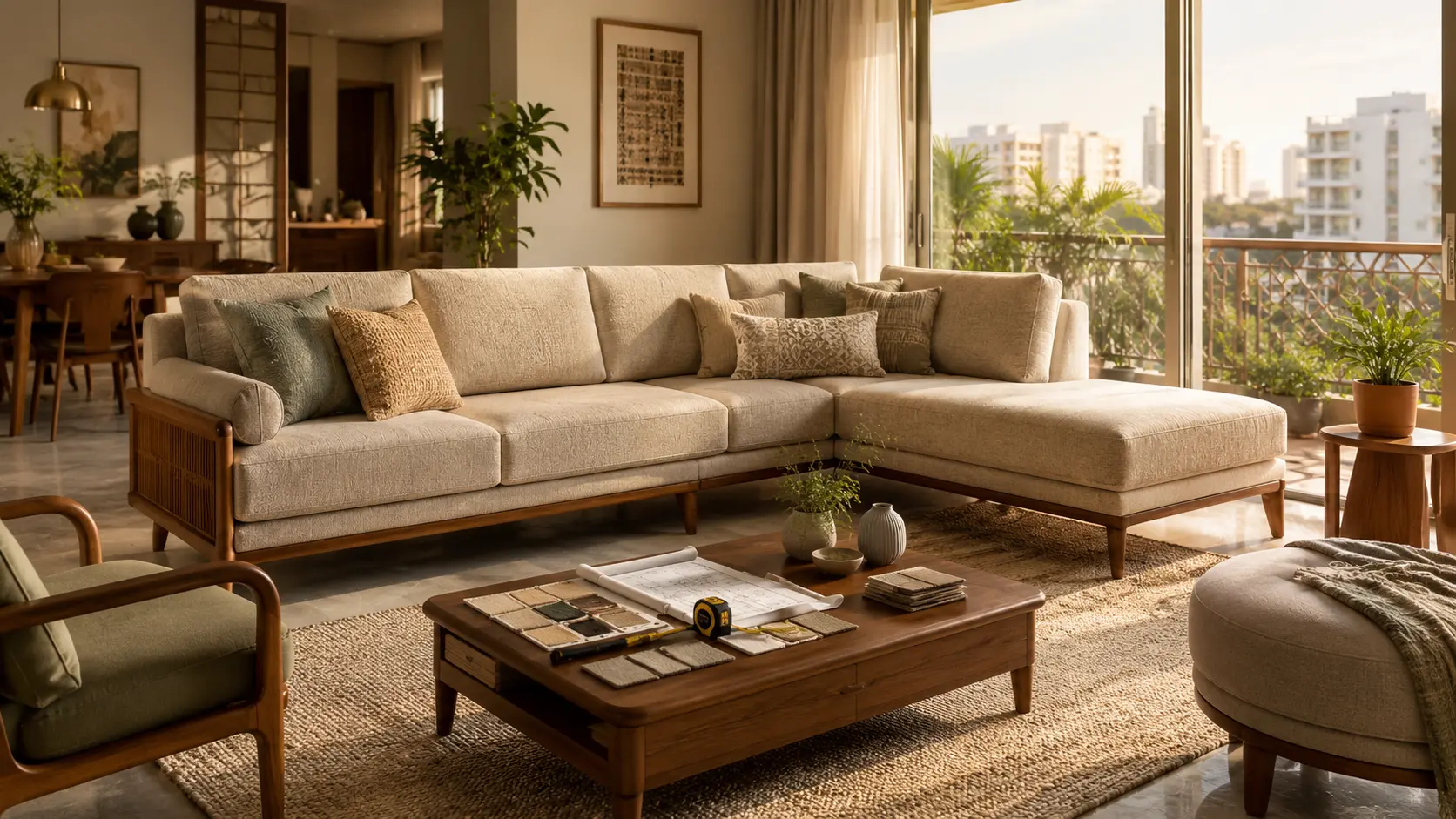
A solid hardwood base provides structural integrity that never degrades under heat or dry air. Exposed wooden frame designs (Japandi or Scandinavian-Indian fusion styles) allow air circulation while adding a clean, natural aesthetic.
The Leatherette Dilemma
While leatherette offers easy wipe-down cleaning, low-grade PVC leatherette tends to trap heat, sweat, and crack over time when exposed to hot air and direct sunlight near large balcony windows. If you prefer a leather look, opt for breathable, high-grade PU or genuine leather in air-conditioned formal living rooms.
2. Choosing the Right Living Room Sofa Design for 2026
Modern Indian homes are shifting away from bulky, overstuffed traditional furniture toward sleek, functional configurations. Finding the right living room sofa design 2026 trend depends heavily on your room’s dimensions and layout.
[INFOGRAPHIC RECOMMENDATION]
Visual: Floor plan diagram illustrating clearance distances (min 30 inches traffic clearance) for 3+1+1 classic setups vs L-shaped corner sectionals in a typical 3BHK apartment.
Alt-Text: Living room floor plan guide showing sofa set dimensions and walkway clearance in an apartment.
L-Shaped Sectionals with Extended Chaise
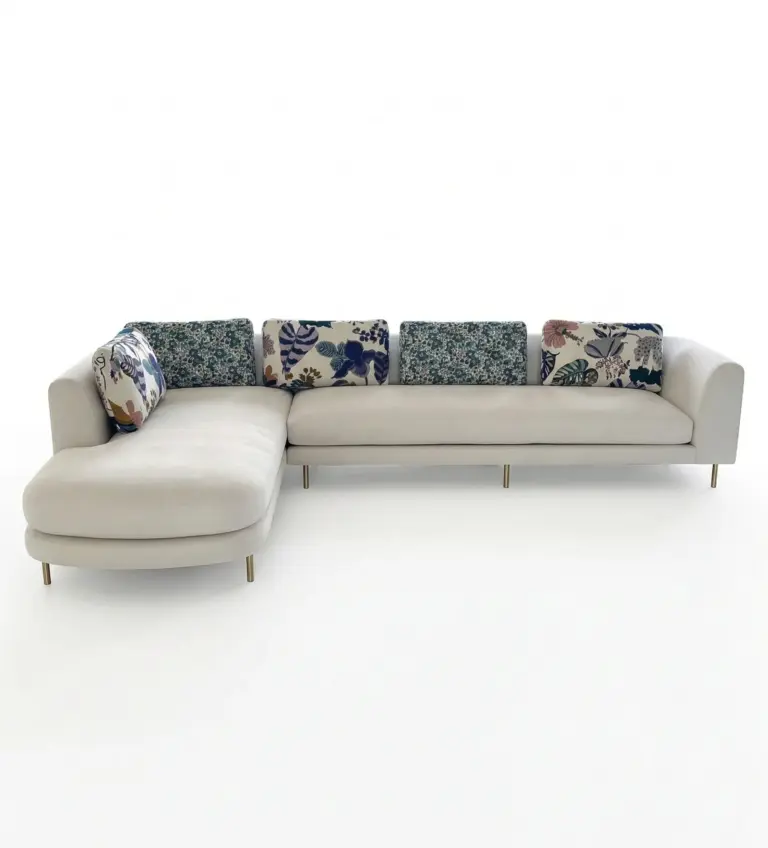
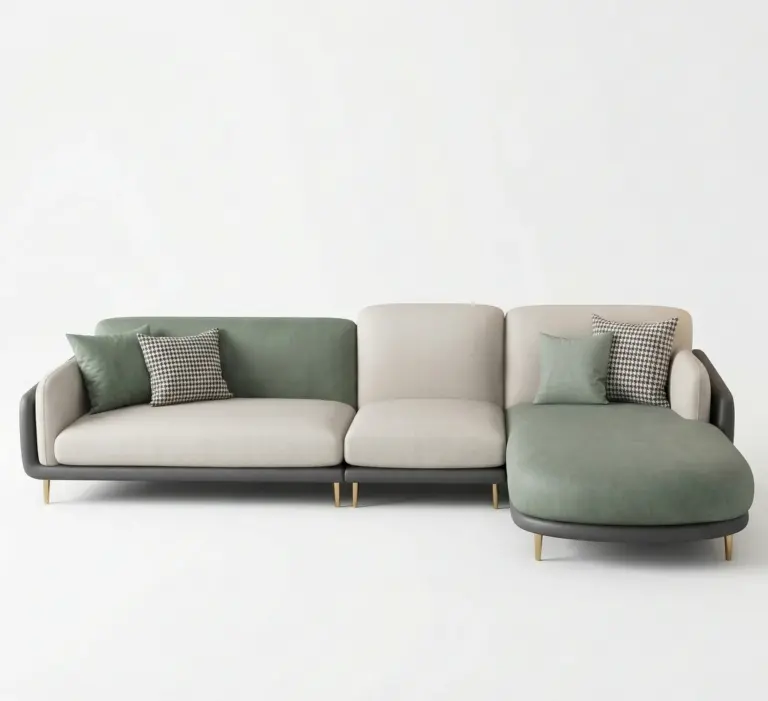
L-shaped lounger sofas have become the leading choice for contemporary apartments across Science City, SG Highway, and Vaishnodevi Circle. They utilize corner space effectively, provide ample seating for extended family gatherings, and offer a relaxed chaise section for lounging.
Modular & Convertible 3+2 or 3+1+1 Sets
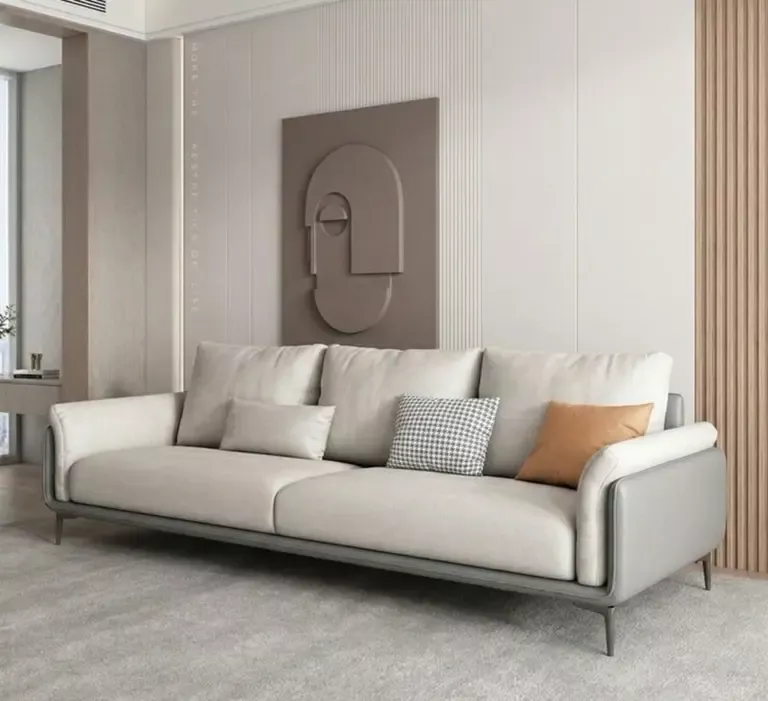
If your living room features multiple doorways or opens directly onto a balcony, modular 3-seater couches paired with individual accent armchairs or ottoman trunks offer maximum arrangement flexibility.
Low-Profile Japandi & Minimalist Frames
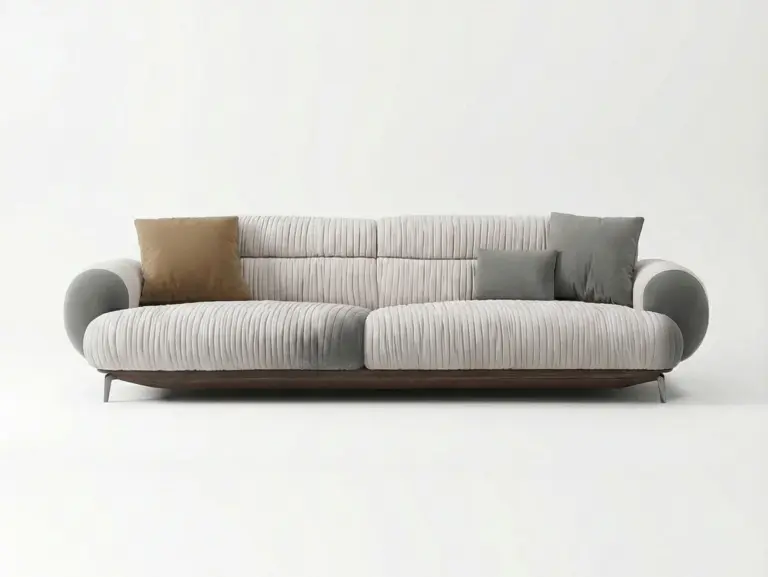
Low-slung wooden bases with soft rounded cushions make compact living rooms feel larger by increasing vertical wall space.
3. Fabric & Frame Material Comparison
Selecting the right combination of frame timber, upholstery, and inner cushion density ensures your investment remains comfortable for decades.
| Feature | Solid Sheesham / Teak Wood | High-GSM Textured Fabric | Premium Leatherette / Leather |
| Best For | Durability, classic elegance, low dust retention | Everyday family comfort, soft feel, breathable seating | Modern executive lounges, quick wipe cleaning |
| Heat & Climate Comfort | Excellent (stays cool in all seasons) | High (breathable & comfortable in summer) | Moderate (requires AC environment during peak heat) |
| Maintenance Need | Low (periodic polishing) | Medium (vacuuming & spot cleaning) | Low-Medium (dust wiping, leather conditioning) |
| Lifespan | 15–25+ Years | 7–12 Years (re-upholsterable) | 5–8 Years (grade dependent) |
| Ideal Room Style | Traditional, Fusion, Japandi | Modern Apartment, Scandinavian, Family Room | Minimalist Luxury, Formal Office/Den |
4. Engineering Quality: Foam Density, Springs, & Frame Joinery
A beautiful sofa is only as good as what lies beneath its upholstery. When shopping at local experience centers, inspect these internal construction details:
- Kiln-Dried Hardwood Construction: Ensure the inner structure uses kiln-dried Sheesham, Marandi, or Sal wood with moisture content under 12%. Unseasoned wood warps during humid monsoons, leading to squeaks and misalignment.
- High-Resilience (HR) Foam: Demand a minimum density rating of 32 kg/m³ to 40 kg/m³ for seat cushions. Standard low-density foam degrades within two years, while 32+ HR foam maintains its spring and structural support.
- Corner Block Joinery: Check that joints are glued, dowelled, and reinforced with corner blocks rather than held together purely by basic staples.
- Leg Clearance for Cleaning: Choose elevated slim legs (minimum 5 to 6 inches off the floor) in metal or solid wood. This clearance allows robotic vacuums and traditional brooms to sweep away trapped dust without moving heavy furniture.
5. Step-by-Step Sofa Set Buying Guide for Homeowners
To ensure a seamless purchase experience, follow this step-by-step checklist before finalizing your order:
- Measure Room Dimensions & Access Clearance: Measure your living room walls, window openings, and door frames. Don’t forget elevator door dimensions and stairwell turns—many large sectionals fail to fit inside apartment elevators!
- Define Traffic Pathways: Maintain at least 30 to 36 inches of open walking space between your sofa, coffee table, and TV console unit.
- Select Upholstery Based on Household Needs: If you have young children or pets, choose performance fabrics with liquid-repellent and anti-scratch weaves.
- Test the Ergonomics: Sit on the sofa for at least 10 minutes at the store. Check seat depth (your feet should rest flat on the floor) and backrest support.
- Request Customization: Avoid one-size-fits-all mass production. Custom manufacturing lets you adjust armrest width, back cushion firmness, and overall seating length to fit your room’s exact layout.
Frequently Asked Questions (FAQs)
What is the best sofa set material for Ahmedabad’s hot climate?
High-GSM breathable woven fabrics (such as cotton-linen blends or textured upholstery) paired with kiln-dried solid Sheesham or Teak wood frames are ideal. They do not trap heat, remain cool against the skin during summer, and handle local humidity changes without warping.
How do I protect my sofa set from dust in Ahmedabad?
Select dust-resistant, tightly woven performance fabrics, use washable sofa covers, and choose elevated leg designs that allow easy cleaning underneath. Regular vacuuming with a soft brush attachment once a week prevents fine particulate dust from settling into deep cushion fibers.
Why does sofa foam sag quickly, and how can I prevent it?
Sofa foam sags when manufacturers use low-density polyurethane foam (below 28 density) or poor webbing suspension. To prevent sagging, ensure your sofa uses High-Resilience (HR) foam with a density rating of 32 or higher, supported by heavy-gauge zig-zag springs or high-tensile elastic webbing.
How much space should I leave around a sofa set in a living room?
Leave at least 30 to 36 inches of walking clearance along main traffic paths, and maintain 14 to 18 inches between the edge of the sofa seat and your central coffee table. This allows comfortable legroom while keeping drinks within easy reach.
What is the average lifespan of a premium solid wood sofa set?
A well-engineered solid Sheesham or Teak wood frame sofa set can last 15 to 25 years or more. While cushion foam and upholstery fabric may need refreshing or re-upholstering after 7 to 10 years, a solid timber frame remains structurally sound for generations.
Conclusion: Crafting Comfort for Your Ahmedabad Home
Selecting the right sofa set for an Ahmedabad home is an investment in your family’s daily comfort, health, and home aesthetics. By prioritizing climate-appropriate breathable fabrics, kiln-dried solid wood frames, and high-density HR foam, you create a beautiful living room built to withstand everyday local use.
Ready to experience high-quality furniture crafted specifically for modern Indian living spaces? Explore customized, factory-direct sofa sets, sectionals, and living room furniture designs at Livoraa Furnishing or visit their Ahmedabad Experience Centre to test premium seating comfort today.